Background
Historic Game Design & Leadership Work
Video Games were my original passion and I dedicated much of my early career to building exciting, innovative, entertainment experiences on a range of platforms from PC to Mobile to Web.
Apart from the focus on pure entertainment, Video Games have a lot of overlap with Digital Products. Both share the importance of users understanding the value proposition and being compelled to reach it.
At the same time, product management and strategy are often overlooked and the result is a team which is unable to reach their potential and deliver what they promise to their users.
I was responsible for project ideation, pitching, and prototyping early projects as well as leading collaborative creative teams through the uncertain early periods of a product’s lifecycle. Building a healthy, sustainable team culture and encouraging collaboration between all disciplines on complex projects was fulfilling and important work that I’m very proud of.
Social and Mobile Gaming
2011-2015: EA Playfish, HappyLatte & Substantial Games
My career started on Web Games with SimCity Social, which won the D.I.C.E 2013 Web-Based Game of the Year award.
It was my introduction to professional game design and I worked with my team in Beijing and HQs in London & California to design and build key features and content in a rapid Agile environment for this casual take on the City-Building classic.
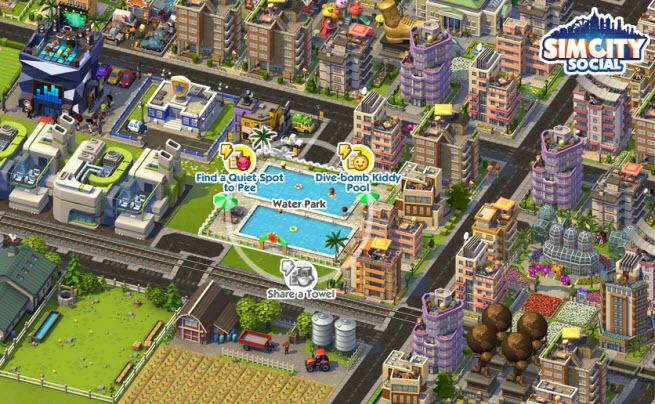
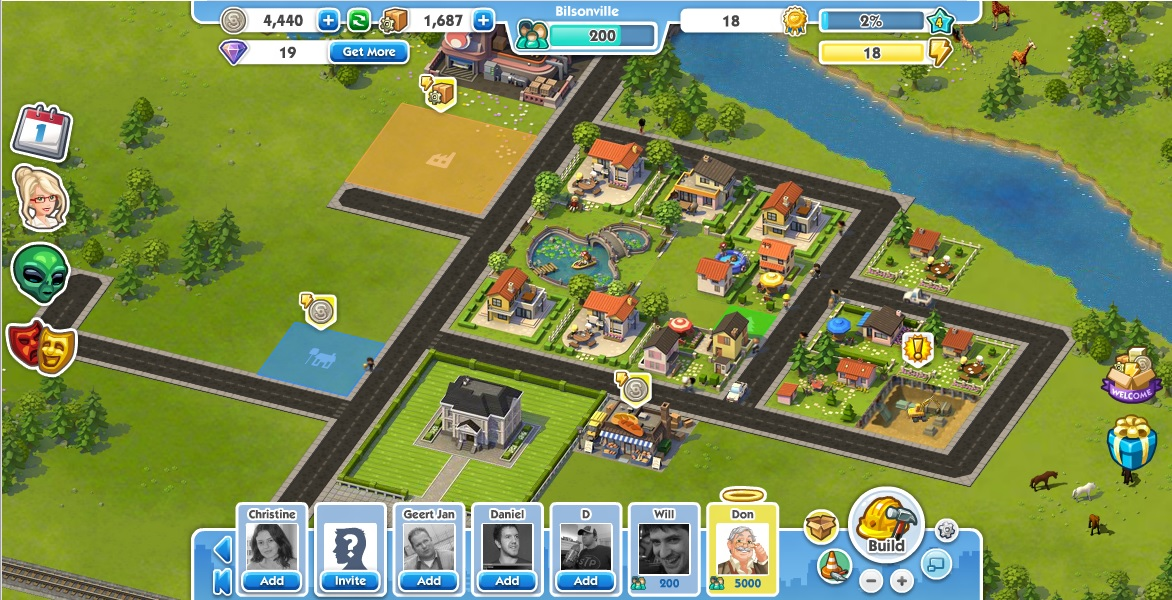
SimCity Social was a Facebook-based City Builder
I moved into Mobile Gaming Apps for HappyLatte and Substantial Games on Days of Crime and The Ember Conflict. These startups were small and scrappy places competing in the wild west of the early mobile game market. I led the prototyping efforts on two projects, dipping my toes into product management, and starting my journey pitching to upper management.
Data Analysis and Data-Driven Design were baked into me in these formative years, and I built a core belief in finding a careful balance between pragmatic business decisions and creative goals.
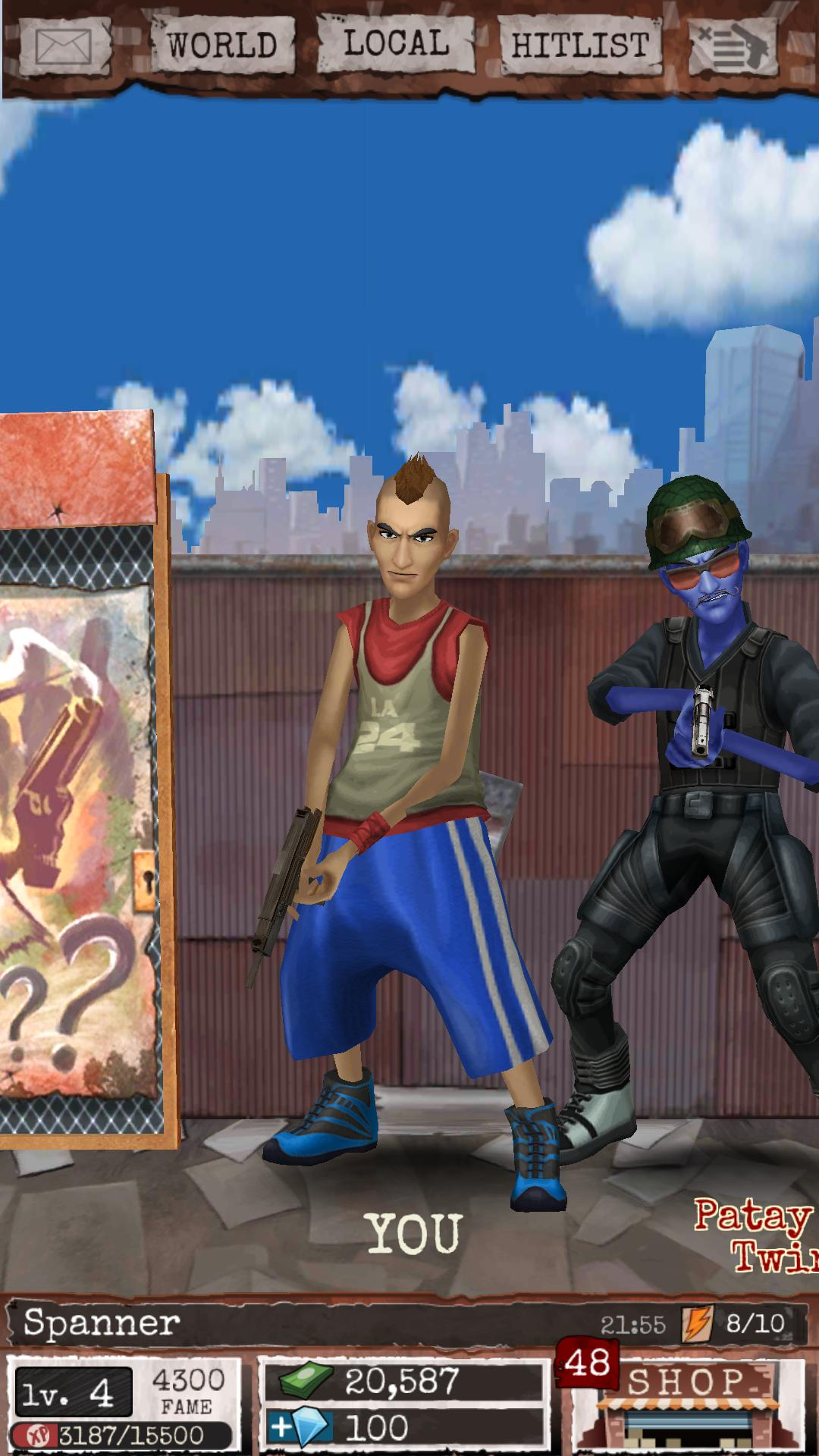
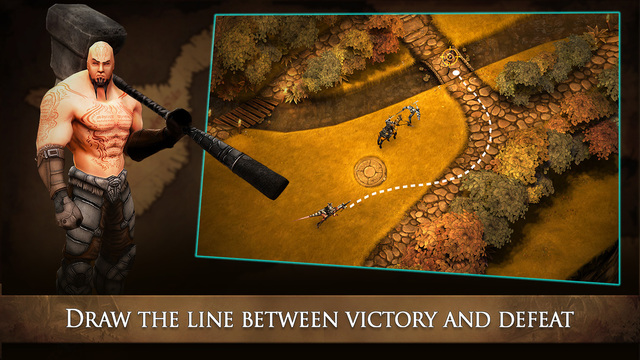
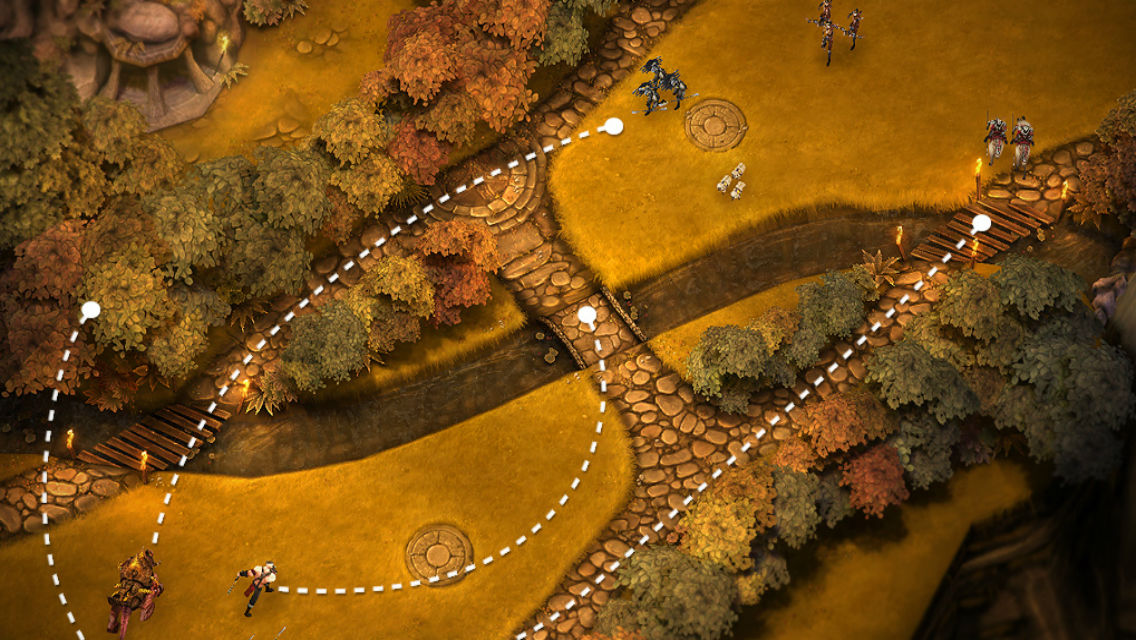
Days of Crime (Left) was a gyroscope-controlled Mobile Shooter, The Ember Conflict (Right) was a tablet-based tactics game.
Core Gaming on PC & Mobile
2016-2020: Yager Development
It was a big shift from Casual and Mobile into PC & Console gaming, but as a passionate gamer myself I felt like it was a better fit so relished the challenge. I initially joined the Berlin-based Yager as a Live Service Designer, with my experience on Web and Mobile being a secret weapon in the core gaming industry’s shift to Games-as-a-Service.
On Dreadnought I worked on many features that interfaced with players directly. I had a strong link with Community Management and the Live Service teams, including Business Intelligence. When the project went through a massive rework, I was responsible for building the Progression Systems; huge trees of complex content for players to engage with. Due to my experience with Live Service, I was also responsible with managing the data of the game and the in-game store - a vast, unwieldy and underbaked system that taught me the true value of convenient tools.
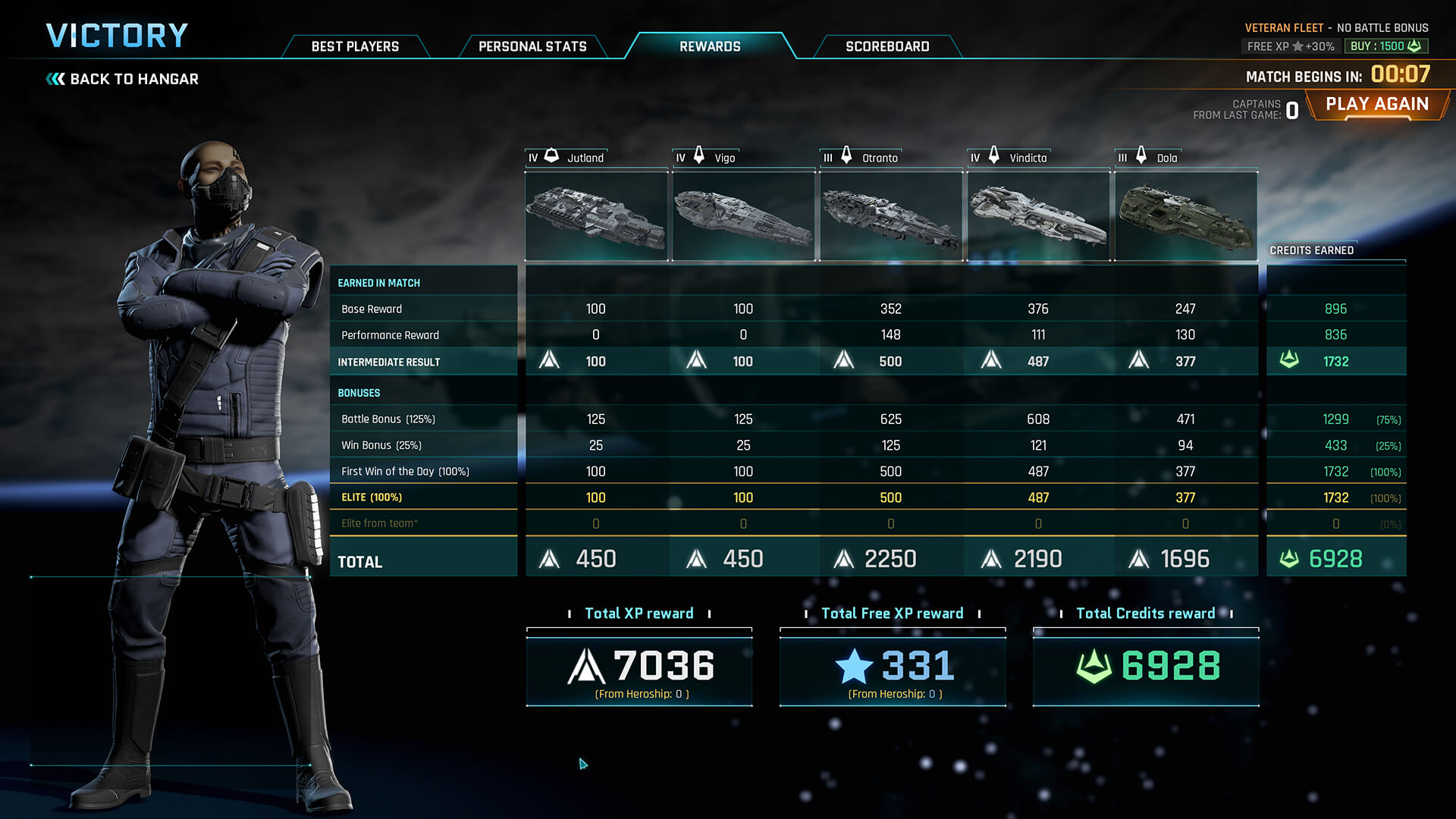
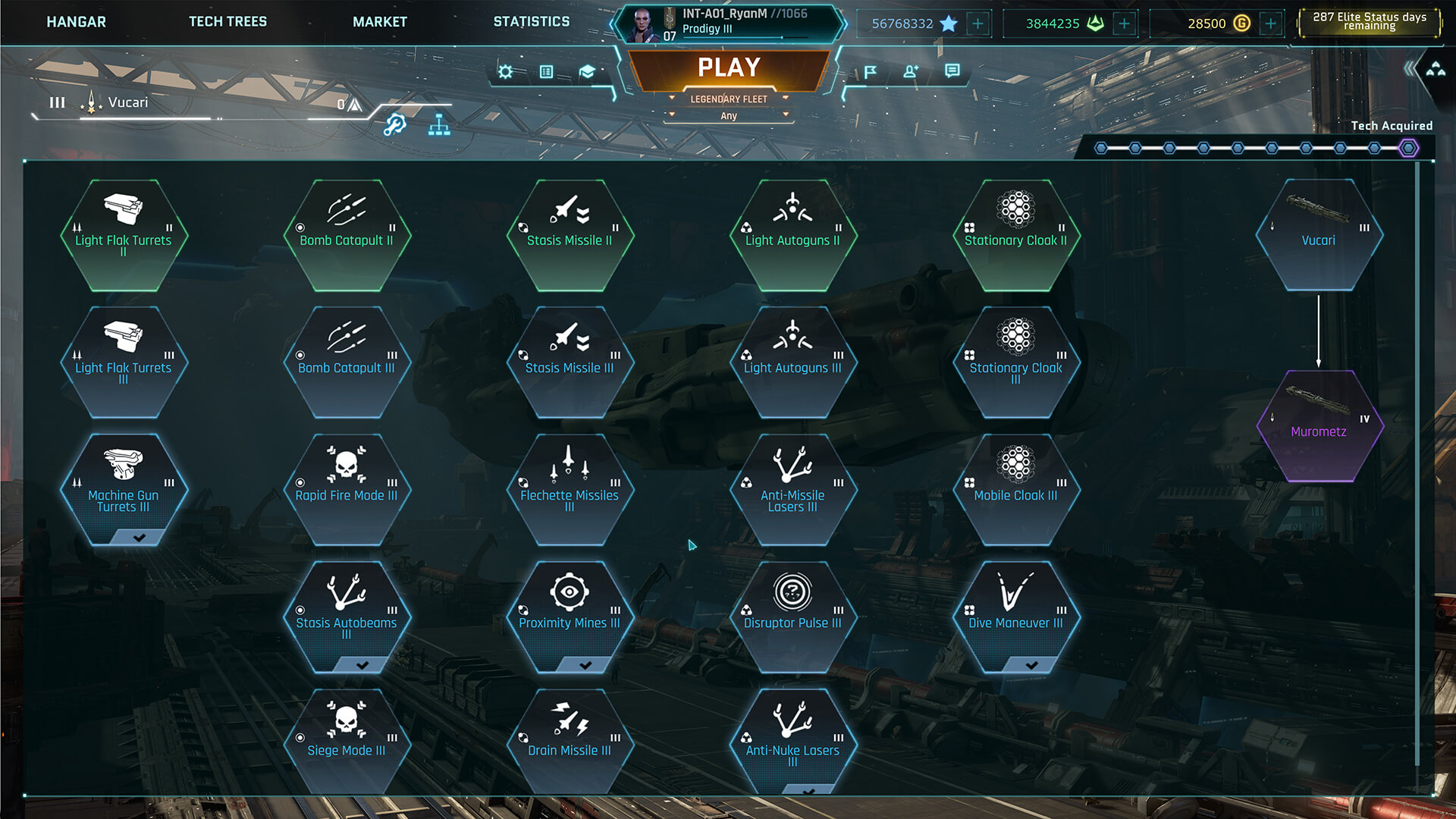
Dreadnought by Yager was a Live-Service Vehicular Shooter
While Dreadnought was wrapping up as a project, I took the initiative and started the concept that would define much of my career at Yager; The Cycle.
The project was a highly innovative take on a Strategic First Person Shooter; a precursor to the Battle Royale craze that took the world by storm with games like PUBG and Fortnite. I developed a pitch for an internal company competition, and after pitching to publishers and investors at the Game Developer’s Conference, the company decided to greenlight a prototype for further exploration.
The months of prototyping in a tiny team with the goal of exploring a new frontier was one of the most rewarding and eye-opening experiences I’ve had. Witnessing the power of a small dedicated team of passionate senior members, and the drive to make something truly new, was exhilarating. In this team I learned the power of iterative design; I would design a feature, sit next to the engineer to get it in as fast as possible, then we’d test it out with the whole group and gather feedback for changes. This rapid iteration process was tremendously effective. The prototype showed a ton of potential so we kicked off pre-production and managed to secure it with Epic Games as an Epic Game Store exclusive.
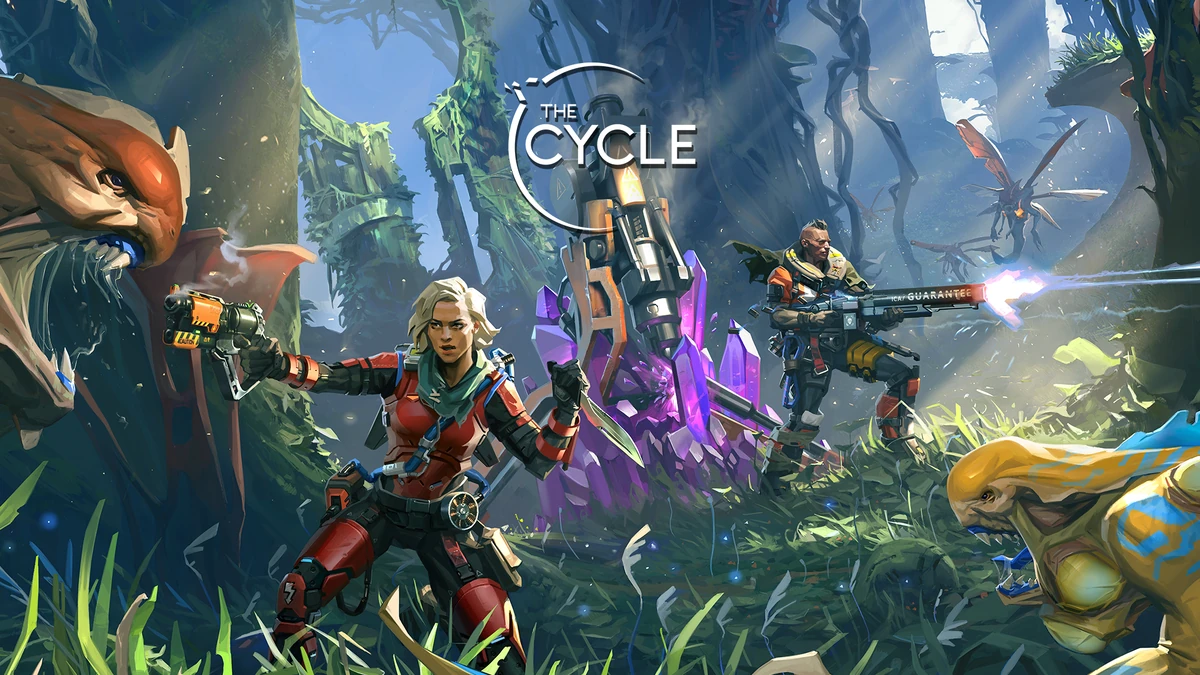
The Cycle by Yager was a Strategic First Person Shooter and was an Epic Game Store launch exclusive.
We launched after about 9 months of development time, which was madness in hindsight. Product Strategy was a severe issue as leadership structures were imposed and the small focused scrappy prototype team expanded into a fully fledged 60 person team. As a mid-level Game Designer at this point, I focused on the area of the game that had the most value; its unique strategic in-game systems. It was the USP of the game, but also the most unproven and novel element.
“Who are our players and what do they want?”
This core foundation of a product was the toughest question to answer with The Cycle. It was breaking new ground but didn’t have the freedom and time to work out which players we could serve and how best to serve them. Was the game niche? Or mass market? A steady growth over time or a flash in the pan?
Next Studios is a Tencent subsidiary that was working with Western game developers to expand their portfolio
While The Cycle was being developed in a live environment, I was tasked with creating a new pitch as part of Tencent’s Next Studios Request for Pitches. This was to be Yager’s first Mobile Game project; a Co-op Survival Game.
The pitch was successful, and once again I joined the wonderful configuration of a small prototype team. This time I was the sole Game Designer and the Creative Director for the project. We developed a wildly successful prototype, in Focus Group testing it was one of the highest rated results the lab had seen before.
Pre-production was secured and we kicked off the project with the goal of doing things in a much more sustainable way than The Cycle. The Cycle’s development had burned a lot of staff at the company. We instituted collaborative processes and rapid iteration, while I ensured our creative direction was clear, transparent, and humble. I consulted with every team on the project on a weekly basis, and formulated the roadmap alongside production to build in plenty of time for bottom-up features to be introduced and invest the team in the project. It was an absolute joy to see the team thrive, and when I decided to head back to the UK for family reasons there were many tearful goodbyes.
Co-Development & Turning around a team
2020-2024: Improbable & Yager return
I joined Improbable just before the Pandemic to work as a Senior Systems Designer. My long experience in live-service games was seen important for Improbable’s very ambitious goals to make persistent online worlds.
While at Improbable, I worked on an ambitious unannounced project’s complex progression system design before being recruited to support Midwinter Entertainment on their Battle Royale title Scavengers. I was responsible for onboarding and early progression.
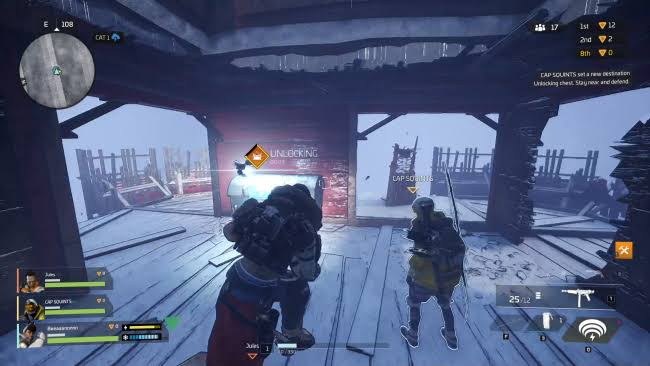
Scavengers by Midwinter Entertainment was a Squad-based Battle Royale set in a frozen wasteland.
After Scavengers’ release, I returned to Yager to turn around a troubled team. The Co-op Survival project I kicked off had become lost over the 2 years, and the team was burnt out. The project was cancelled a few days before I returned, and I was tasked with kicking off a new Mobile project with this team; an Extraction Shooter - something Yager had experience with when they rebooted The Cycle.
Working with the existing Design team, we rapidly ideated and landed on a pitch for the project. At the same time, I worked with Production to rebuild trust and a healthy team culture. I talked to every member of the team 1-on-1 to find out what had transpired and what had been so painful. Together with the team, we built accountability structures and comprehensive ways of working that we could all agree to. We reorganized the team structure and kicked off the new project with the aim to focus on the core gameplay experience before anything else - We knew who our players were and what was needed to keep them satisfied.
Our 9 month development time delivered a vertical slice of our Extraction Shooter game that was truly the most enjoyable gaming experience I’d played at such an early stage. We demonstrated the proof of concept not just as a short-term toy but also showed its longevity and scalability, something that all previous Yager projects had struggled with.
We turned around a team at its breaking point, which is the proudest contribution I feel from the project and why I dedicate myself to sustainable healthy creative cultures wherever I have an influence.
Business priorities overtook us upon delivery, with our Tencent sister studio Funcom needing support on Dune: Awakening. This massive project needed all-hands-on-deck so we were all moved to support. On Dune Awakening I was a creative liaison, managing multiple teams while disseminating the vision into our team.
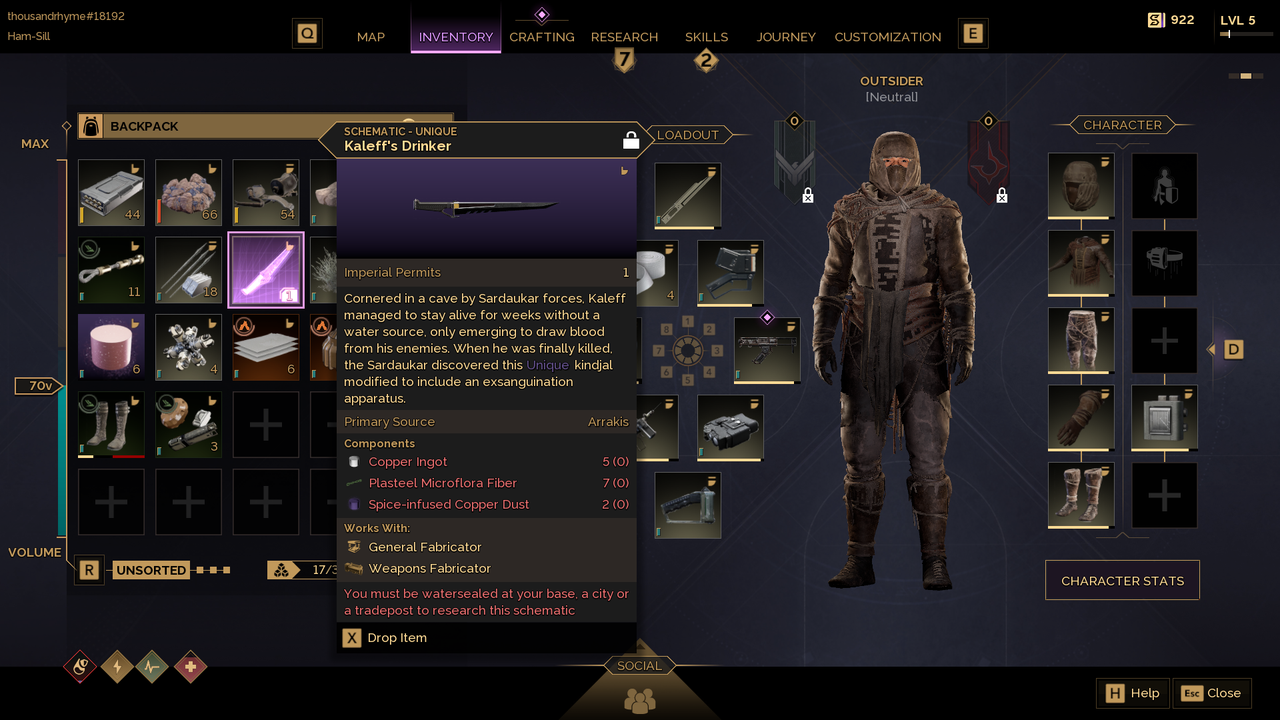
Dune:Awakening by Funcom is an Open World Survival Game set in the famous universe.
Future
2024-now: Shift to Product Design
Since leaving the industry, I explored the world of Street Food through my company Cult of Curry. I have a passion for cooking and wanted to take the chance to learn about an entirely new industry. I decided to close the business in September 2026 to focus on Product Design.
Design is always in my blood so in late May 2026 I completed a Product Design course at Experience Haus in London as my first step into the world of Digital Product Design and User Experience.
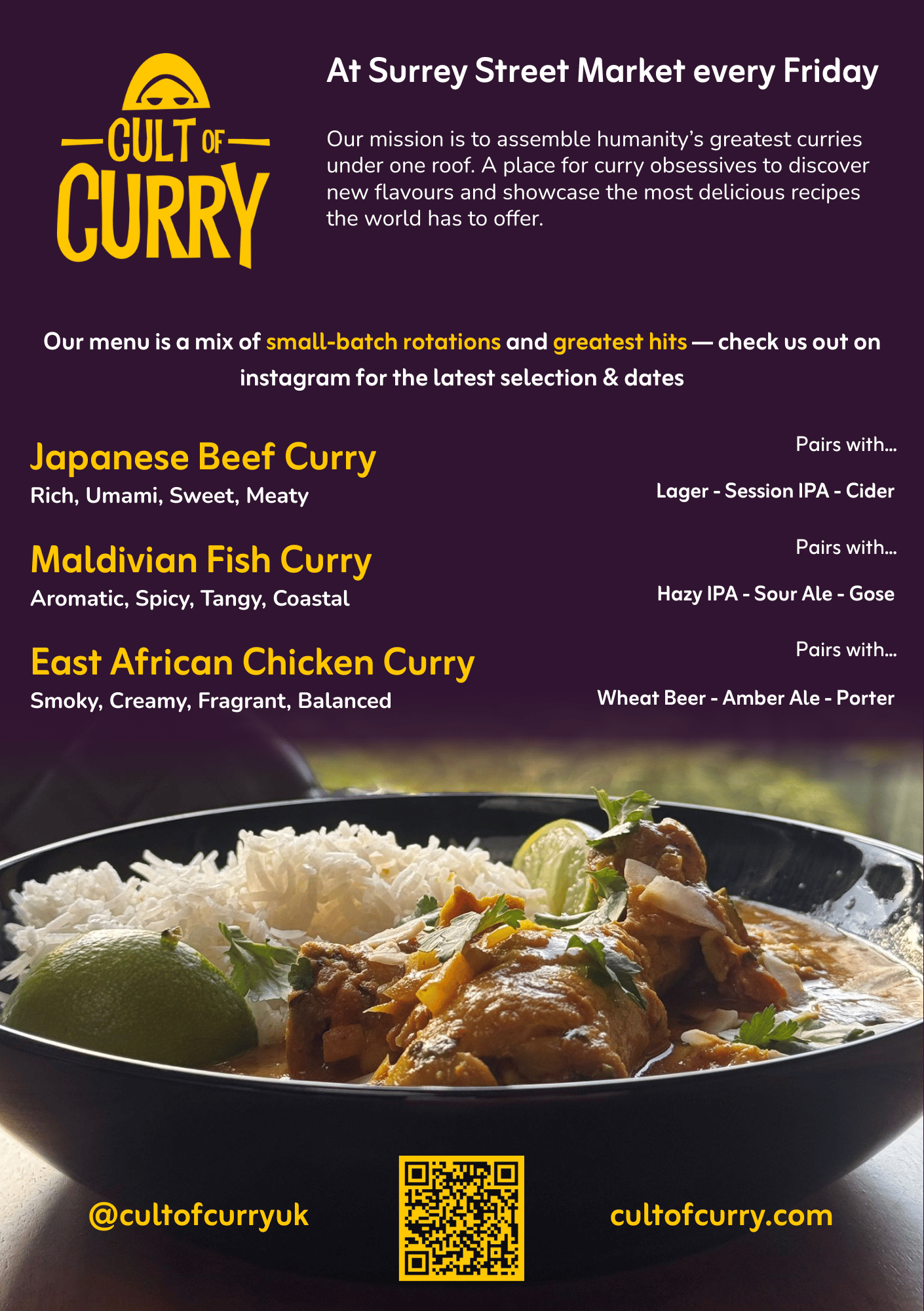

(Left) Cult of Curry, my street food business. (Right) Experience Haus, a design school in Shoreditch, London.